
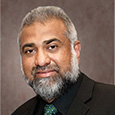
Dr. Habib Khan, a renowned neurologist with a passion for literature, brings a fresh voice to Urdu poetry in his collection of Dow Nama and Shehre Janaan. His work reflects his formative years at Dow Medical College, capturing the joy, camaraderie, and vibrant spirit of Karachi during the 1970s and ’80s.
Through nostalgic reflections, Dr. Khan highlights everyday moments that shape our lives—friendships, laughter, and the emotional rhythm of a city in motion. His poetry blends medical precision with lyrical warmth, inviting readers to rediscover their own memories through gentle, evocative verse.
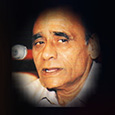
Anwar Shaoor
Anwar Shaoor, known by his pen name Shaoor, is a prominent Urdu poet who has revitalized classical traditions through his sehl-e-mumtana style—simple in form yet rich in meaning. His poetry resonates with everyday readers, capturing emotions and experiences that feel deeply personal and universally relatable.
With acclaimed collections like Andokhta, Mashq-e-Sukhan, Mee Raqsam, and Dil Ka Kya Rang Karoon, Shaoor explores themes of love, introspection, and social nuance. A recipient of Pakistan’s Pride of Performance award, he stands as a defining voice in modern Urdu poetry, bridging timeless elegance with contemporary relevance.
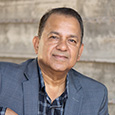
Fayyaz Uddin Saieb
Fayyaz Uddin Saieb has established a distinct voice in modern Urdu poetry by portraying the emotional and social realities of everyday people with clarity and compassion. His work blends classical elegance with contemporary themes, exploring love, longing, injustice, and human behavior through both ghazals and nazms.
In collections like Kuch Khawab Uthaye Phirta Houn, Saieb addresses issues such as political prejudice and class disparity, using structured forms to connect with readers across backgrounds. His poetry expands the boundaries of Urdu literature, offering a voice that is both personal and socially resonant.
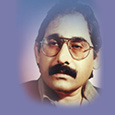
Saleem Kausar
Saleem Kausar, a leading figure in modern Urdu poetry, gained widespread acclaim with his iconic ghazal “Main Khayal Hoon Kisi Aur Ka”, famously sung by Mehdi Hasan. His poetry is known for its emotional depth and lyrical elegance, exploring themes of love, introspection, and existential reflection.
He has published five notable collections of ghazals and nazms, along with a Naatiya Majmooa, showcasing his range and literary finesse. Active across print, television, and international mushairas, Kausar was honored with Pakistan’s Pride of Performance award in 2015 for his lasting contributions to Urdu literature.
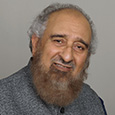
Khwaja Wahab Sabir
Poetry is Sabir’s passion—a creative refuge that offers balance and clarity amid the demands of his fast-paced professional life. His debut Urdu collection, Sadaye Sukhan, features a thoughtful blend of ghazals and nazms, capturing personal reflections with emotional honesty and lyrical grace.
Following this, his English poetry book Silence That Echoed expands his expressive range, revealing the same sincerity and introspection in a different linguistic form. Sabir’s strength lies in his ability to convey deep emotions through simple, resonant language, making his work both accessible and profoundly relatable.
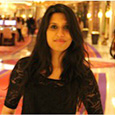
Afshan Dhillon
Afshan Dhillon is the author of An Indian Palate: Celebrating Simple Indian Meals, a cookbook that brings the warmth of home-style Indian cooking to everyday kitchens. Her recipes focus on accessible ingredients and straightforward techniques, preserving authentic flavors with ease.
Her passion for cooking began in childhood, sparked by a memorable first attempt at making rice that ended with smoke alarms and scorched grains. That early mishap led to a lifelong love for the kitchen, culminating in a book that blends nostalgia, tradition, and culinary simplicity.

Tarannum Dhillon
Tarranum Dhillon, co-author of An Indian Palate: Celebrating Simple Indian Meals, brings warmth, humor, and authenticity to the art of home cooking. Her journey began with a fiery first attempt at making okra in ninth grade—an unforgettable moment when a pan caught fire after she skipped the oil, assuming a nonstick surface needed no grease. That early kitchen mishap became a spark for a lifelong love of food and family recipes.
In An Indian Palate, Dhillon shares approachable, flavor-rich dishes that reflect the charm of everyday Indian cooking. Her voice adds a relatable touch to the book, reminding readers that culinary mastery often begins with trial, error, and a good story.
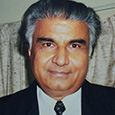
Hasan Jahangir Hamdani
Hasan Jahangir Hamdani, born in 1940 in Ludhiana, was a multilingual scholar who began writing Urdu poetry at age nine under the pen name “Hamdam.” Guided by his father’s literary legacy, he was deeply rooted in classical Urdu and Persian traditions.
In the 1960s, Jahangir pioneered the promotion of academic Urdu in North America, organizing mushairas and collaborating with celebrated poets like Ahmed Faraz and Parveen Shakir. This book highlights his lasting influence on the global development of the Urdu language.
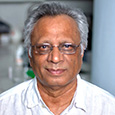
Qambar Naqvi
Qambar Naqvi, a psychiatrist by profession, brings a thoughtful and empathetic voice to contemporary Urdu literature through his debut poetry collection, Yaade Rafta. Composed primarily of ghazals, the book draws on his life experiences and clinical insights, weaving emotional depth with keen human observation.
Naqvi’s poetry explores themes of love, longing, behavior, and social issues, capturing sentiments that feel both intimate and universal. With Yaade Rafta, he invites readers into a reflective space where personal memory and shared emotion converge, marking a compelling entry into the world of Urdu poetry.
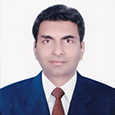
Rehan M. Syed
From his teens, Rehan developed a deep love for Urdu literature that shaped his intellectual and cultural identity. He immersed himself in mushairas, poetry recitals, seminars, and book launches, finding both inspiration and a voice. His interests spanned Nasar, Nazm, Ghazal, Naat, and Marsiya, each offering unique emotional and aesthetic depth. He was especially influenced by Ghalib, Nazeer, Daagh, Anees, Rashid, Nasir, Parveen, and Faraz.
This personal journey grew into a mission to promote and preserve Urdu across North American academic and social circles. Through ongoing efforts, he fosters appreciation for the language as both artistic expression and a bridge to its rich history, philosophy, and enduring charm.